Custom processing · Durand
Here’s how custom processing works
Bring us your animal, or let us source one for you. Either way, what comes back is exactly what you asked for, labeled clearly, ready for the freezer.
Slaughter date request
Start to finish
From your call to your freezer.
-
Reach out
Start with the form at the top of this page and tell us what you have. We will confirm your slaughter date from there, so you are not stuck waiting on a callback.
-
Claim your cut
Give us your cutting instructions and we cut it the way you like. This is a family that knows their cuts, and we follow your sheet exactly, so what comes back is what you asked for, not a standard pack someone else decided on.
-
Boxed and ready for the freezer
Your order comes back boxed, labeled and ready to go straight in the freezer. We call you when it is ready, so you are not guessing.
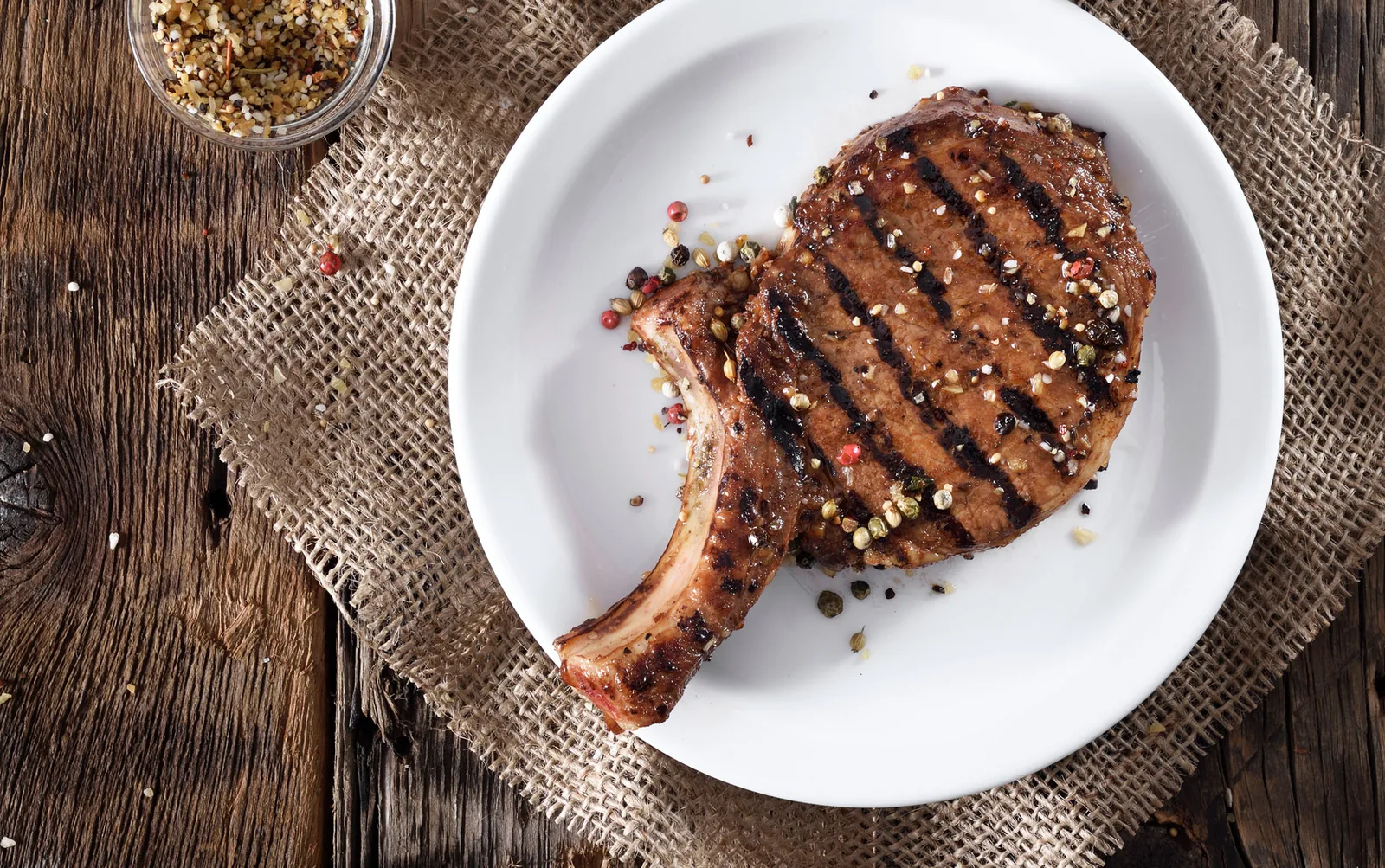
The cut sheet
You decide, down to the thickness.
The cut sheet is where your order actually gets made. Steak thickness. How many to a package. Roast size. What goes to ground and what goes to sausage. Whether you want the soup bones, the heart, the tongue, the fat for rendering.
If you’ve never filled one out, that’s normal, most people haven’t. Call and we’ll walk you through it, or start with a sample sheet so you can see the choices before you decide.
Know your animal
Where every cut comes from.
Knowing the animal is how you get the maximum value out of it, so you do not miss out on specialty cuts that get rolled into ground by default. Hover or tap a section to see what it becomes and what the cut sheet asks you.
Beef
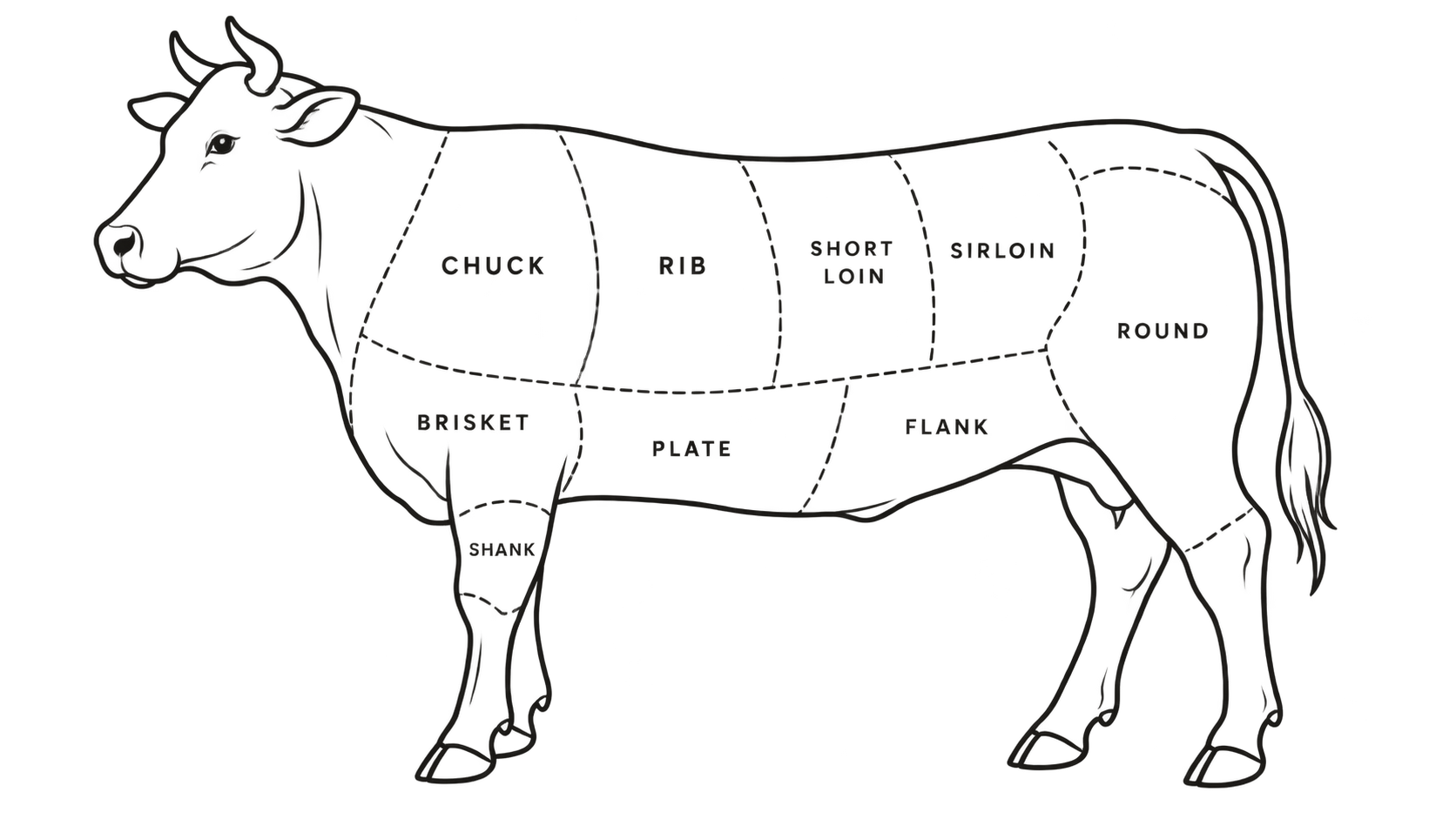









Rib
What it becomes
Ribeyes, prime rib, and back ribs.
On your cut sheet
Ribeye thickness, bone-in or boneless, and whether a standing rib roast comes out whole.
Hog
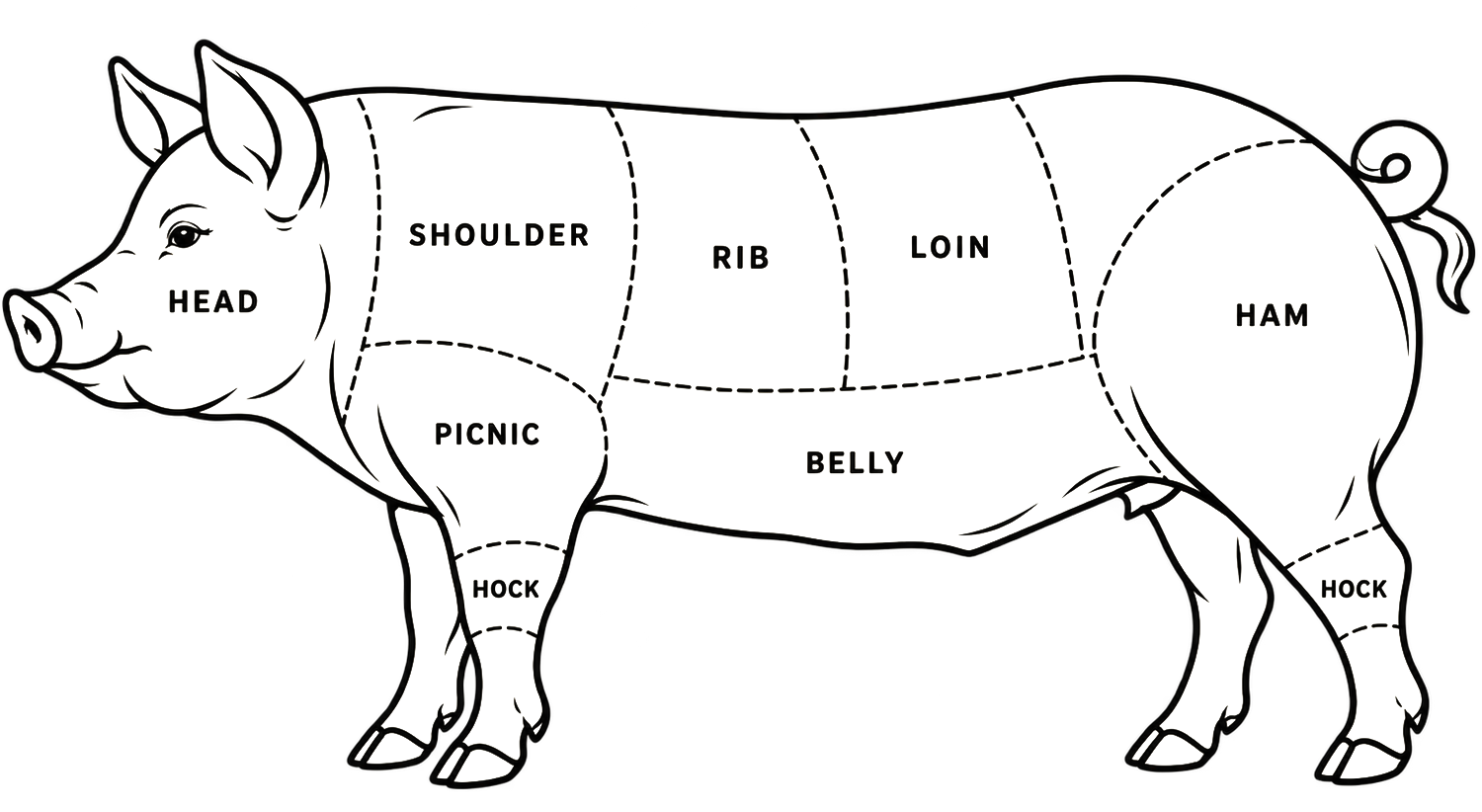









Loin
What it becomes
Pork chops, loin roasts, and the tenderloin.
On your cut sheet
Chop thickness, how many to a package, and whether the tenderloin comes out whole.
Split orders
Split orders handled right.
Going in on a beef with your brother, two neighbors, and someone from work? You are not the middleman. We don’t hand you one cut sheet and let you sort out four people’s preferences over text.
Everyone on the delegation list gets their own call and their own cut list. Your sister wants a quarter or a half, that’s her conversation with us, not yours.
You organized the order. That should be the end of your job.
What we handle
Beef, hog, lamb, and what you brought home.
Slaughter and full processing happen at the Durand location on the Chippewa River.
Dry-aged, never rushed
Beef hangs for a minimum of 7 days before it ever reaches a cutting board. That time is where tenderness and flavor come from, and it’s the first thing a high-volume plant cuts to move product faster.
Don’t have an animal? We’ll source one.
You don’t need livestock to fill a freezer with local meat. Tell us the size of order you’re after and we’ll find the animal from one of our local farmers.
Labeled so you can read it in six months
Cut type and date on the package. No mystery bundles at the bottom of the chest freezer in March.
Deer season
We process venison, and the calendar fills fast once the season opens. Call early rather than late.
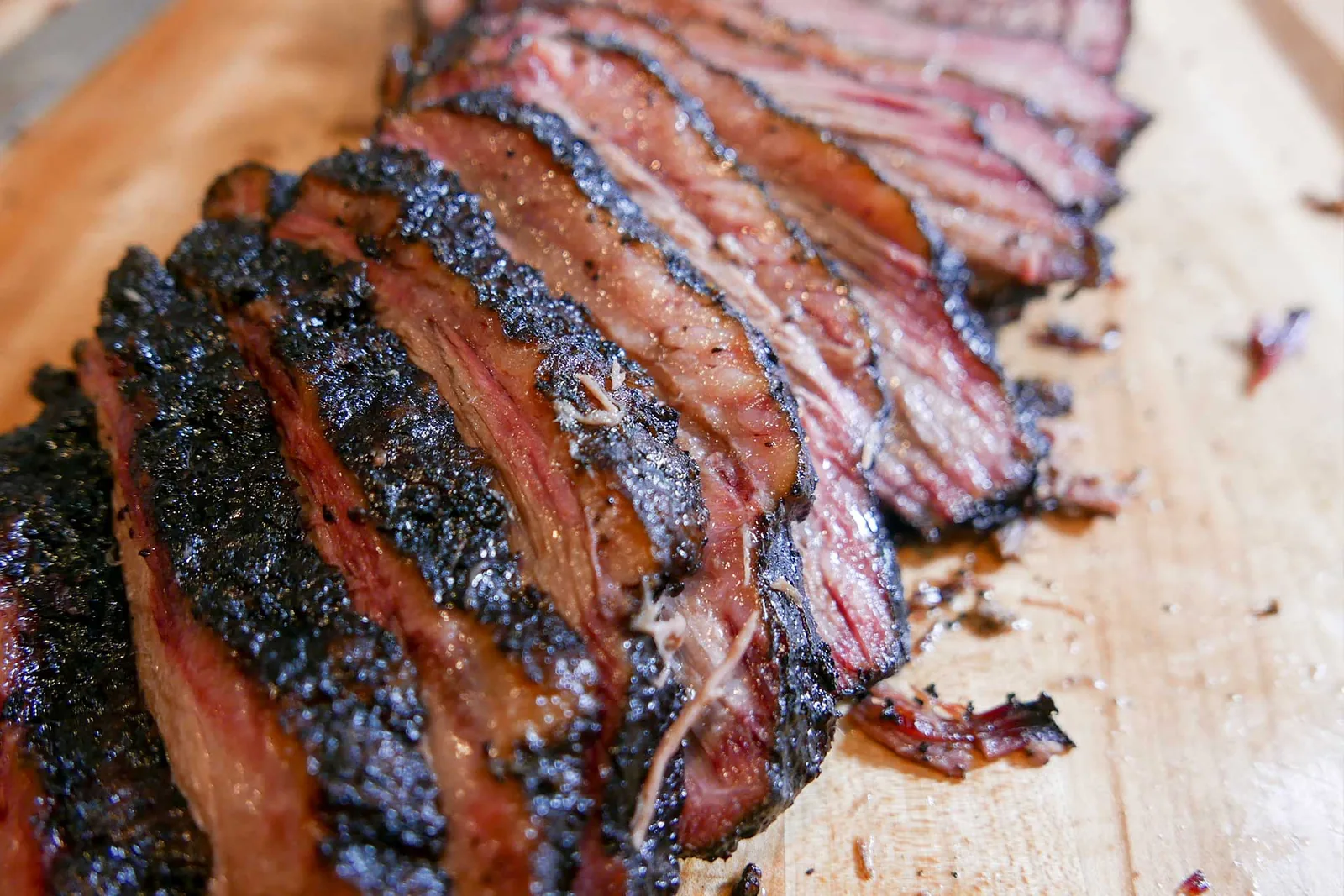
Ready when you are.
Dates book out, especially in the fall. Get on the calendar and we’ll take it from there.